
A clearer way into thermal vision
Thermal monoculars.
Clearer choices.
Find the right view for the way you explore. Straightforward buying guides, detailed reviews, and practical advice to help you understand the image—and choose your next thermal monocular with confidence.
Understand the specifications
Compare the real trade-offs
Choose for your own ground
Start with your purpose
Different ground.
Different priorities.
A pocket scanner for nearby checks and a viewer for watching open fields solve different problems. Begin with how you plan to observe, then compare the features that make a difference.
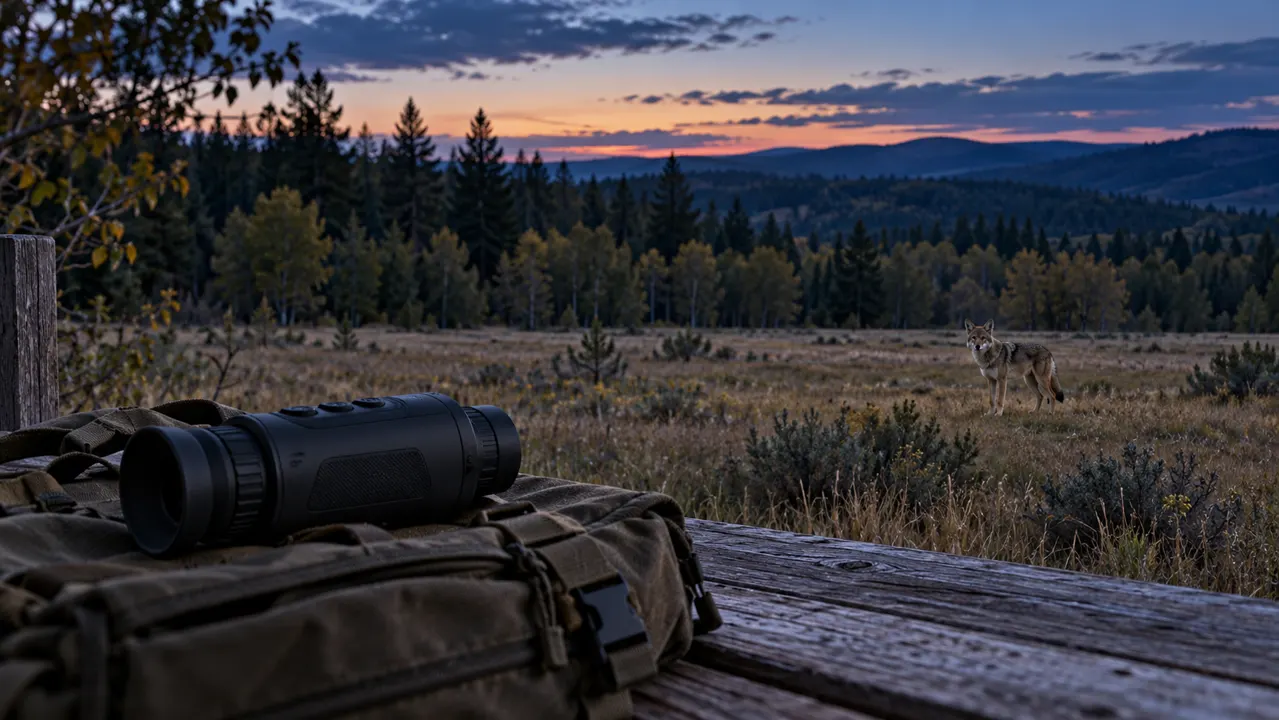
01 / Coyote observation
Find heat. Look closer.
Compare sensor detail, scanning coverage, and portability for watching field edges and open ground. Learn why a distant detection deserves a closer look before you draw a conclusion about the animal.
Explore the coyote guide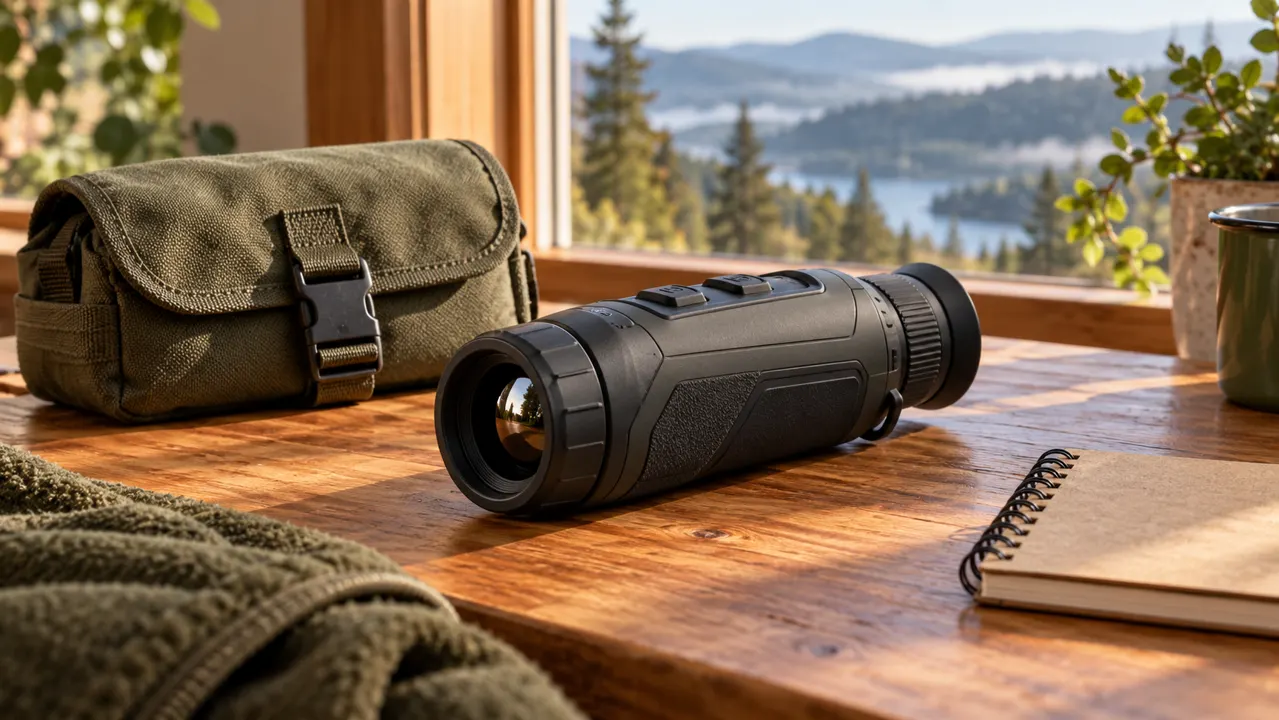
02 / A considered budget
Spend on what you’ll use.
Understand the compromises behind a lower purchase price. Compare basic heat detection with more detailed viewing, and include battery condition, essential accessories, and seller support in the complete offer.
Explore the budget guide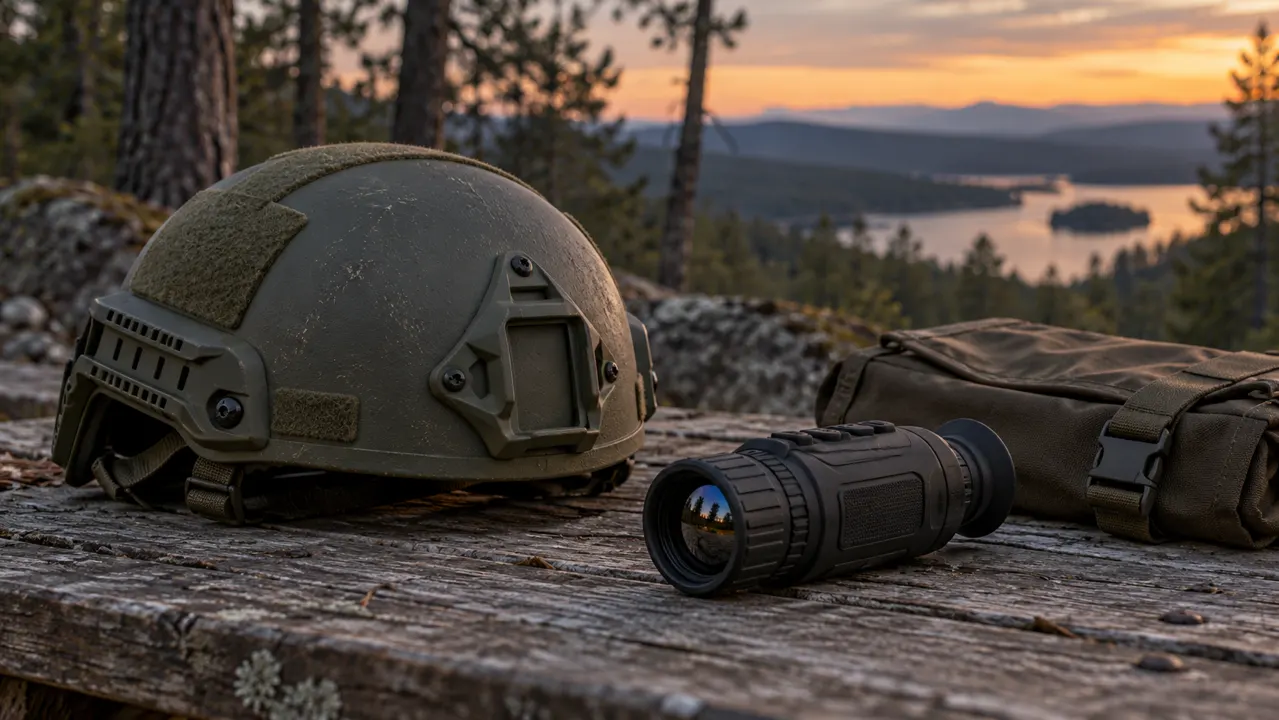
03 / Helmet or handheld
Make the whole setup fit.
Start with documented mounting support and the way you observe. Weigh alignment, complete weight, and stationary viewing comfort alongside the handheld alternatives before deciding which arrangement suits your routine.
Explore the helmet guideBeyond the headline numbers
Know what makes
a better view.
A long feature list is easier to compare once you know what each part contributes. These three ideas give you a stronger starting point for every product page.
Understand the fundamentalsDetail is a system, not a single number.
The detector captures thermal information, the lens shapes the view, and the display presents the image. Compare those parts together. A high-resolution screen cannot supply thermal detail that a lower-resolution detector never captured.
See what earns its place in the priceDetection is the beginning of the answer.
Noticing a heat source and identifying an animal are different stages of observation. Subject size, distance, background, and obstructions affect the information available. Keep a published detection figure separate from any expectation of clear identification.
Learn to read the evidenceCoverage should suit the place you watch.
A wider view can make nearby searching easier; a different lens may better suit inspecting one known area. Think about your usual observation distance and how much ground you need to cover before choosing by maximum zoom.
Match the view to your groundIn focus / Product review
 The model. The features. The trade-offs.
Take a closer look
Pulsar Axion 2 XQ35.
Is it your kind of scanner?
A useful review should explain how the specification fits a real buying decision. Our Axion 2 XQ35 review looks at image detail, scanning coverage, replaceable power, recording, and the differences between similarly named versions.
Use it to understand the standard XQ35’s strengths and limitations, the accessories to check in an offer, and the questions to ask before ordering. Published specifications are presented alongside buying analysis, with links to the manufacturer documentation.
Read the full reviewBuild your thermal knowledge
Better questions.
More confident decisions.
Before you buy
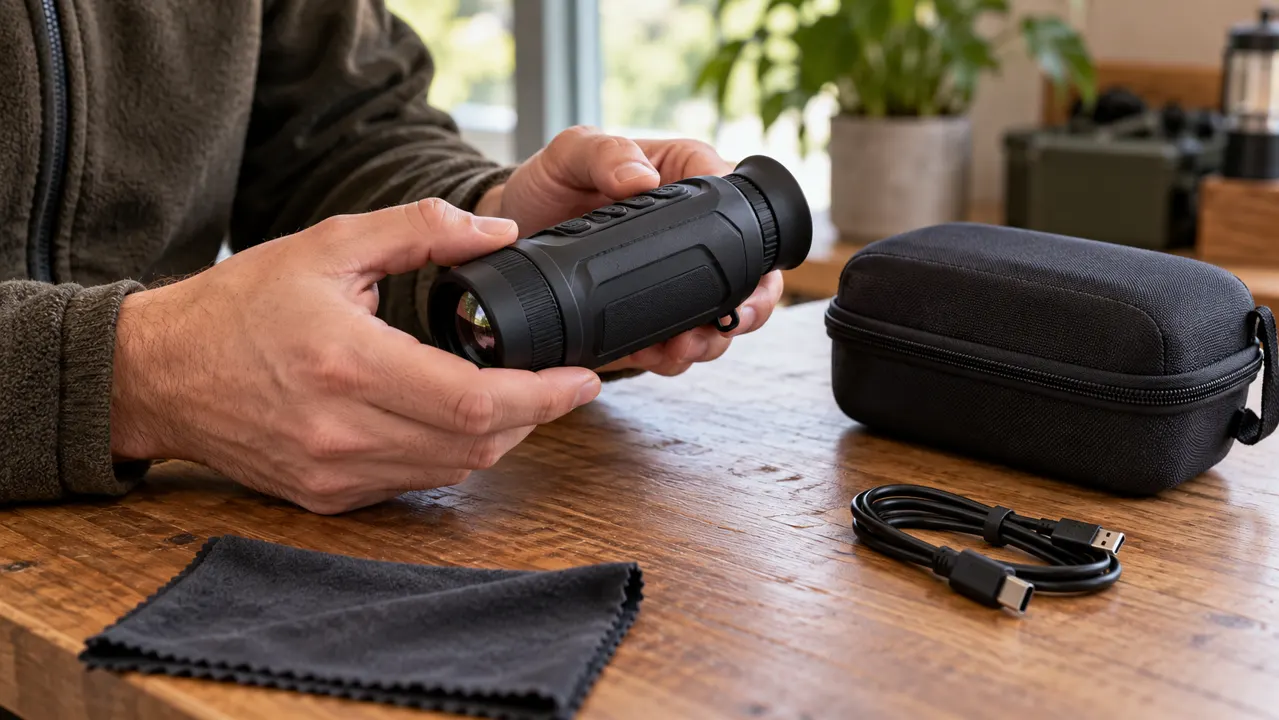
A used thermal monocular deserves a closer inspection.
A good-looking housing is only one part of the assessment. Work through the model identity, optical condition, controls, battery, recording, and written support terms. Know what has been checked and what remains uncertain before agreeing to the price.
Use the inspection checklistUnderstand the view
How much magnification do you actually need?
Separate optical magnification from digital enlargement, then think about steadiness and the area visible at once. The biggest zoom figure is only useful when it serves the way you observe.
Read the magnification guideChoose your arrangement
Helmet-mounted or handheld?
Occasional checks and long stationary sessions put different demands on your equipment. Compare complete mounting compatibility, comfort, control access, and portability before adding more hardware to the setup.
Compare the two approachesOur approach
Useful context,
before the purchase.
Global Thermal Monoculars helps readers connect technical specifications with practical observation needs. Our guides explain the compromises in detail, coverage, power, and price so you can judge an offer on more than a headline range.
We link to supporting documentation where technical claims need context and distinguish manufacturer ratings from buying analysis. Product listings and configurations can change, so the exact model, supplied accessories, seller terms, and current price remain part of your final check.
Some articles contain affiliate links. We may earn a commission from qualifying purchases. Read our affiliate disclosure.
A few good starting questions
Before you
look closer.
Quick answers to help you choose where to begin. Open a question for the essentials, then follow the guide for the detail.
What is a thermal monocular useful for?
A thermal monocular helps reveal thermal differences in a scene, which can draw attention to people, animals, and other heat sources in darkness. Its usefulness depends on the detail needed, viewing distance, conditions, and the device. Start with our guide to how thermal monoculars work to understand their capabilities and limits.
Can I use a thermal monocular during the day?
Thermal imaging can work in daylight because it detects infrared radiation rather than relying on visible light. Sun-warmed ground and objects can change the contrast of the scene. Follow the device’s handling instructions and read our daylight-use guide for the practical considerations.
What should I compare before looking at maximum range?
Define what you want to observe, where you normally stand, and what detail you need to resolve. Then compare detector resolution, lens, field of view, ready-to-use weight, and power arrangement. Our viewing-distance guide helps turn that description into a more useful shortlist.
Does a higher price always mean better value?
Value depends on whether a feature solves a problem in your routine. Recording, a removable battery, or a different lens may be worthwhile for one observer and unnecessary for another. Include essential accessories and support in the comparison, then use our value guide to assess the complete offer.
Are all compact thermal monoculars helmet-compatible?
A compact housing or threaded socket does not establish an approved helmet setup. Check the documented mounting path, adjustment range, and intended use for the exact device. Our helmet buying guide distinguishes a compatible observation arrangement from handheld alternatives.
Your next clearer choice
Start with the way you observe.
Find a guide that matches your ground, your setup, and the detail you need.